More homeowners, RV owners, and off-grid enthusiasts are switching to solar power every year. It offers clean energy, lower electricity bills, and reliable backup power during grid outages. However, many users do not fully understand how a complete solar energy system converts sunlight into usable household electricity. Learning its basic working principle helps you choose the right solar panels, batteries, and inverters for long-term stable operation.
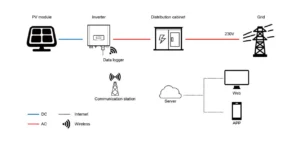
A solar power system generates electricity through a simple but effective energy conversion process. It all starts with solar panels installed on rooftops or open grounds. Solar cells inside the panels capture sunlight and convert solar energy into direct current electricity, also known as DC power. Unlike traditional grid power, DC power cannot directly run most household appliances, which is why an inverter becomes an essential part of the entire system.
This is where power conversion takes place. The solar inverter receives DC power from the panels and converts it into alternating current, or AC power, which matches the standard electricity used in homes, cabins, and RVs. High-quality pure sine wave inverters ensure smooth, stable power output that works safely with sensitive electronics, kitchen appliances, and motor-based devices without noise or overheating issues.
For off-grid solar setups, a battery bank is added to store excess energy generated during sunny hours. The stored power supplies electricity at night, on cloudy days, or during blackouts. A solar charge controller protects the batteries from overcharging and deep discharge, extending the overall system lifespan. Together, panels, inverter, battery, and controller form a complete and independent solar power solution.
In short, solar systems work by harvesting solar energy, converting DC to AC power, and storing surplus electricity for later use. Understanding this workflow helps users size their solar equipment correctly, avoid overload failures, and maximize energy efficiency. Whether for residential backup, outdoor camping, or remote off-grid living, a well-matched solar setup delivers consistent, cost-saving, and eco-friendly power all year round.